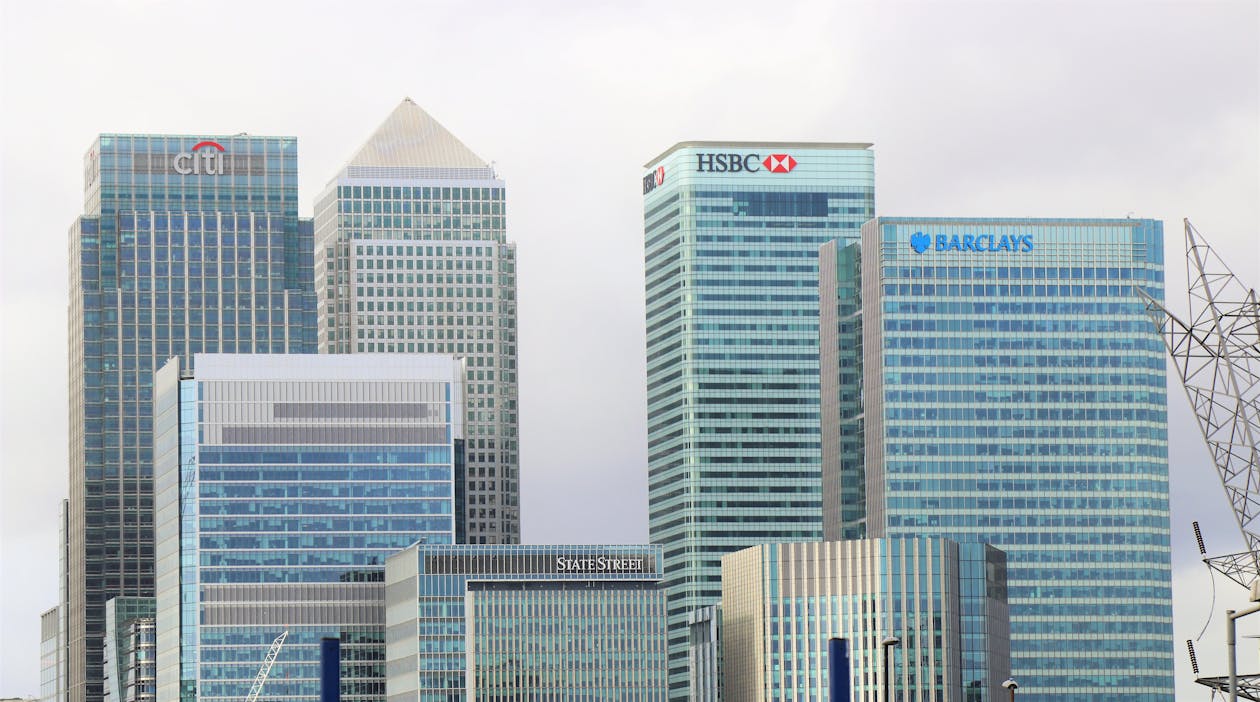
The Banking Challenge for Americans Abroad
For the estimated nine million Americans living overseas, one of the most frustrating and unexpected challenges is simply maintaining a bank account. What should be a routine aspect of daily life—having a place to deposit income, pay bills, and manage finances—has become increasingly difficult for US citizens in Europe.
Over the past decade, countless American expats have received letters from their European banks informing them that their accounts will be closed. Others have been turned away when attempting to open new accounts, told simply that the bank does not accept American clients. This phenomenon, often called "financial exile," stems primarily from one piece of legislation: the Foreign Account Tax Compliance Act, better known as FATCA.
Key Insight: Since FATCA's implementation in 2014, many European banks have chosen to stop serving American clients entirely rather than comply with the complex reporting requirements, leaving US expats with limited banking options.
Understanding FATCA: Why Banks Avoid US Clients
FATCA was enacted in 2010 and fully implemented in 2014 as part of the US government's effort to combat tax evasion by American citizens holding assets abroad. The law requires foreign financial institutions to report information about accounts held by US persons to the Internal Revenue Service.
What FATCA Requires
Under FATCA, foreign banks must:
- Identify American Account Holders: Banks must screen their entire customer base to identify anyone with US citizenship or tax obligations.
- Report Account Information: Annual reports must be filed with the IRS containing detailed information about US-held accounts, including balances, interest, dividends, and other income.
- Withhold Taxes: Non-compliant institutions face a 30% withholding tax on US-source payments.
- Implement Compliance Programs: Banks must establish systems to identify new American clients and maintain ongoing monitoring.
The Cost-Benefit Problem
For many European banks, particularly smaller institutions, the compliance costs of FATCA simply outweigh the benefits of serving American clients. Implementing the necessary reporting systems, training staff, and managing the ongoing administrative burden represents a significant investment. When American clients represent only a small fraction of their customer base, the economic decision becomes clear: it's easier and cheaper to simply refuse service to US citizens.
Common Problems Americans Face
The banking difficulties faced by US expats in Europe manifest in several ways:
Account Closures
Perhaps the most distressing scenario is receiving notice that your existing bank account will be closed. These letters typically arrive with little warning, giving clients 30 to 90 days to find alternative arrangements. For Americans who have lived in Europe for years and built their financial lives around these accounts, such closures create significant disruption.
Account Refusals
Americans relocating to Europe or simply trying to open a new account frequently encounter outright refusals. Bank employees may be sympathetic but powerless to help, explaining that company policy prohibits accepting US citizens as clients. This can leave new arrivals in the difficult position of having no local banking facilities.
Limited Services
Some banks that do accept Americans impose significant restrictions. They may offer only basic current accounts without investment services, refuse to provide credit cards or loans, or limit the types of transactions permitted. These restrictions can make managing finances considerably more complicated.
Investment Restrictions
Beyond basic banking, Americans in Europe face severe limitations on investment products. Most European investment funds are classified as Passive Foreign Investment Companies (PFICs) under US tax law, making them extremely tax-inefficient for American investors. Many European wealth managers and investment platforms refuse to work with US clients entirely.
Countries and Banks That Still Accept Americans
Despite the challenges, banking options do exist for Americans in Europe. Understanding where to look is crucial.
France
French banks have historically been more accommodating to American clients than institutions in some other European countries. Major French banks generally accept US citizens, though documentation requirements are extensive and some services may be limited.
Germany
Several German banks continue to serve American clients, particularly larger institutions with the resources to manage FATCA compliance. However, the application process can be lengthy and bureaucratic.
Luxembourg
As a major financial center, Luxembourg hosts banks experienced in serving international clients, including Americans. Some private banks here specialize in cross-border wealth management for US persons.
Switzerland
Swiss banks have adapted to serve American clients, though the relationship has become more complex post-FATCA. Larger Swiss institutions have invested in compliance infrastructure and continue to offer services to US citizens.
Digital Banks
Some newer digital banks and fintech companies have entered the market specifically to serve underbanked populations, including American expats. These institutions may offer solutions where traditional banks have declined.
How Amberlake Partners Helps US Expats
At Amberlake Partners, we understand the unique financial challenges facing Americans in Europe because we've built our practice around solving them. Our SEC registration provides a critical advantage that benefits our American clients.
The SEC Registration Advantage
Unlike most European wealth managers, Amberlake Partners is registered with the US Securities and Exchange Commission. This registration means:
- We Can Legally Serve Americans: Our SEC registration authorizes us to provide investment advisory services to US persons, eliminating the regulatory barrier that prevents most European firms from working with American clients.
- US-Compliant Investment Solutions: We structure portfolios using investments that are tax-efficient for Americans, avoiding the PFIC trap that makes most European funds unsuitable.
- Familiar Reporting Standards: Our reporting meets US regulatory requirements, making tax preparation and compliance straightforward for our American clients.
- Coordinated Compliance: We understand both US and European regulatory requirements, ensuring our clients remain compliant in both jurisdictions.
Banking Relationships
Through years of working with American clients in Europe, we have developed relationships with financial institutions that welcome US citizens. We can help guide clients toward banks that will accept them and provide the services they need.
Comprehensive Wealth Management
Beyond solving the immediate banking problem, we provide holistic wealth management services tailored to the American expat experience:
- Investment management using US-tax-efficient strategies
- Cross-border tax coordination and planning support
- Retirement planning that accounts for both US and European considerations
- Estate planning for international families
- Currency management and multi-currency investment strategies
Wealth Management Solutions for US Expats
Successfully managing wealth as an American in Europe requires specialized expertise that most financial advisors—whether based in the US or Europe—simply don't possess.
Investment Strategy Considerations
American expats need investment strategies that account for:
- PFIC Rules: Avoiding European funds that trigger punitive US taxation
- FBAR and FATCA Reporting: Ensuring all accounts are properly reported to US authorities
- Currency Exposure: Managing the interplay between dollar-denominated obligations and euro-denominated living expenses
- Tax Treaty Benefits: Optimizing structures to take advantage of applicable tax treaties
- Exit Planning: Considering the implications of potential future relocation
The Importance of Specialized Advice
Generic financial advice can be dangerous for American expats. A US-based advisor may not understand European financial products and regulations, while a European advisor may inadvertently recommend investments that create significant US tax problems. Working with a firm that bridges both worlds is essential.
Did You Know? Americans are among the only citizens in the world taxed on worldwide income regardless of where they live. This unique status means US expats must carefully consider the US tax implications of every financial decision they make abroad.
Practical Steps for US Expats
If you're an American facing banking challenges in Europe, consider these practical steps:
1. Document Your Situation
Keep records of any account closures or refusals. This documentation can be helpful when seeking alternative solutions and demonstrates good faith compliance efforts.
2. Maintain US Banking Relationships
If possible, keep at least one US-based bank account active. This provides a financial lifeline and facilitates transactions that may be difficult from European accounts.
3. Seek Specialized Advice
Work with financial professionals who understand the unique challenges facing American expats. Generic advice from advisors unfamiliar with cross-border issues can create more problems than it solves.
4. Stay Compliant
Ensure you're meeting all US reporting requirements, including FBAR filings and FATCA Form 8938 where applicable. Compliance issues only compound banking difficulties.
5. Consider Consolidation
Working with a wealth manager who can provide comprehensive services may be more effective than maintaining fragmented relationships with multiple institutions, some of which may exit the American market at any time.
Conclusion
Banking as an American in Europe has become undeniably more challenging since FATCA's implementation. Account closures, service refusals, and investment restrictions create genuine hardship for US expats trying to build lives abroad. However, solutions exist for those who know where to look.
Amberlake Partners was founded with American expats in mind. Our SEC registration, European presence, and specialized expertise allow us to provide the financial services that other institutions cannot or will not offer to US citizens. From helping navigate banking options to providing sophisticated wealth management tailored to the American expat experience, we serve as a bridge between two financial worlds.
If you're an American in Europe struggling with banking challenges or seeking wealth management services that truly understand your situation, we invite you to connect with our team. The path to financial stability abroad may be more complex than it once was, but with the right guidance, it remains entirely achievable.